

Biology
Home »

Blocks
1

Level
A-Level

Course Length
2 Years

Timetable
Full Time
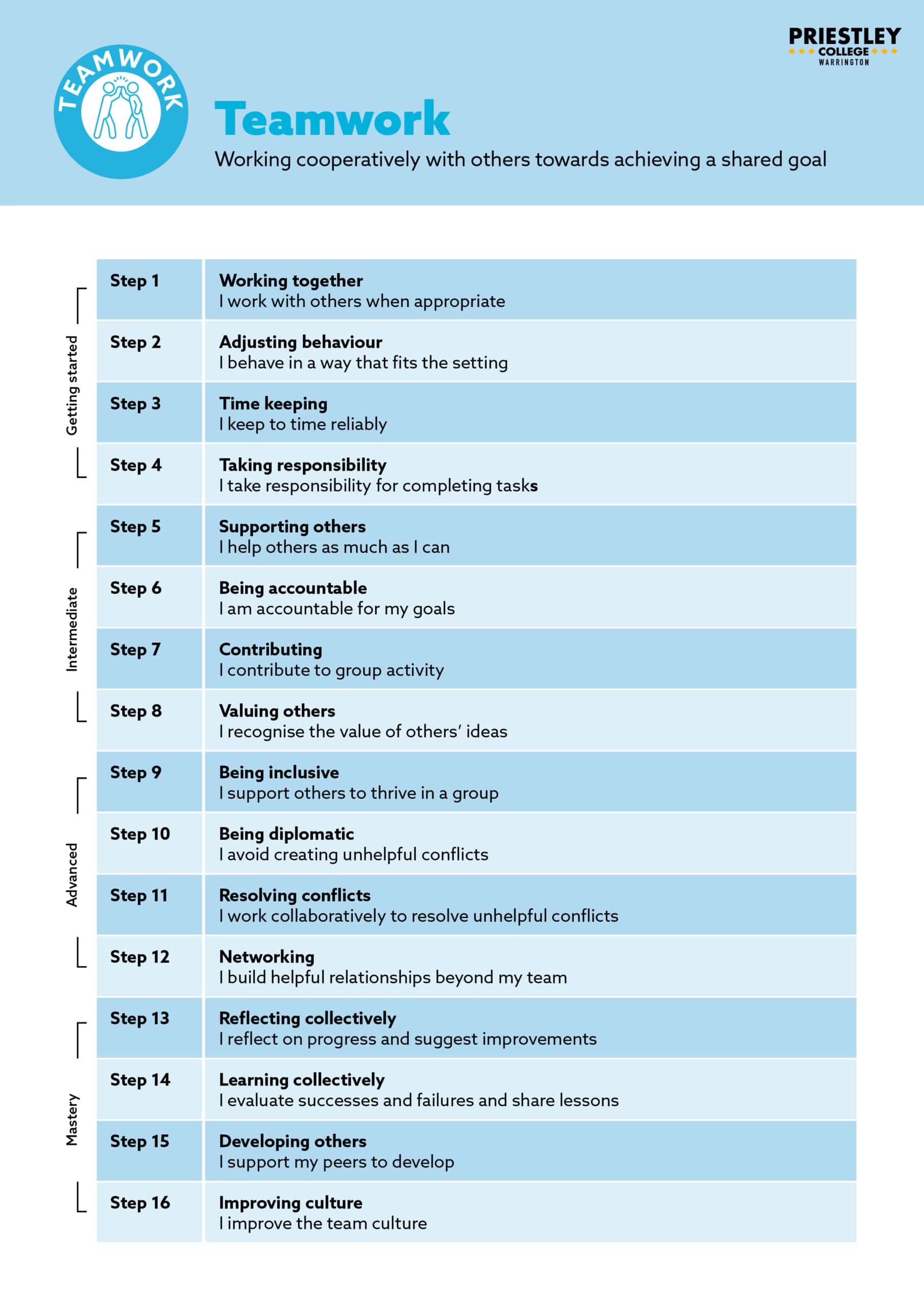
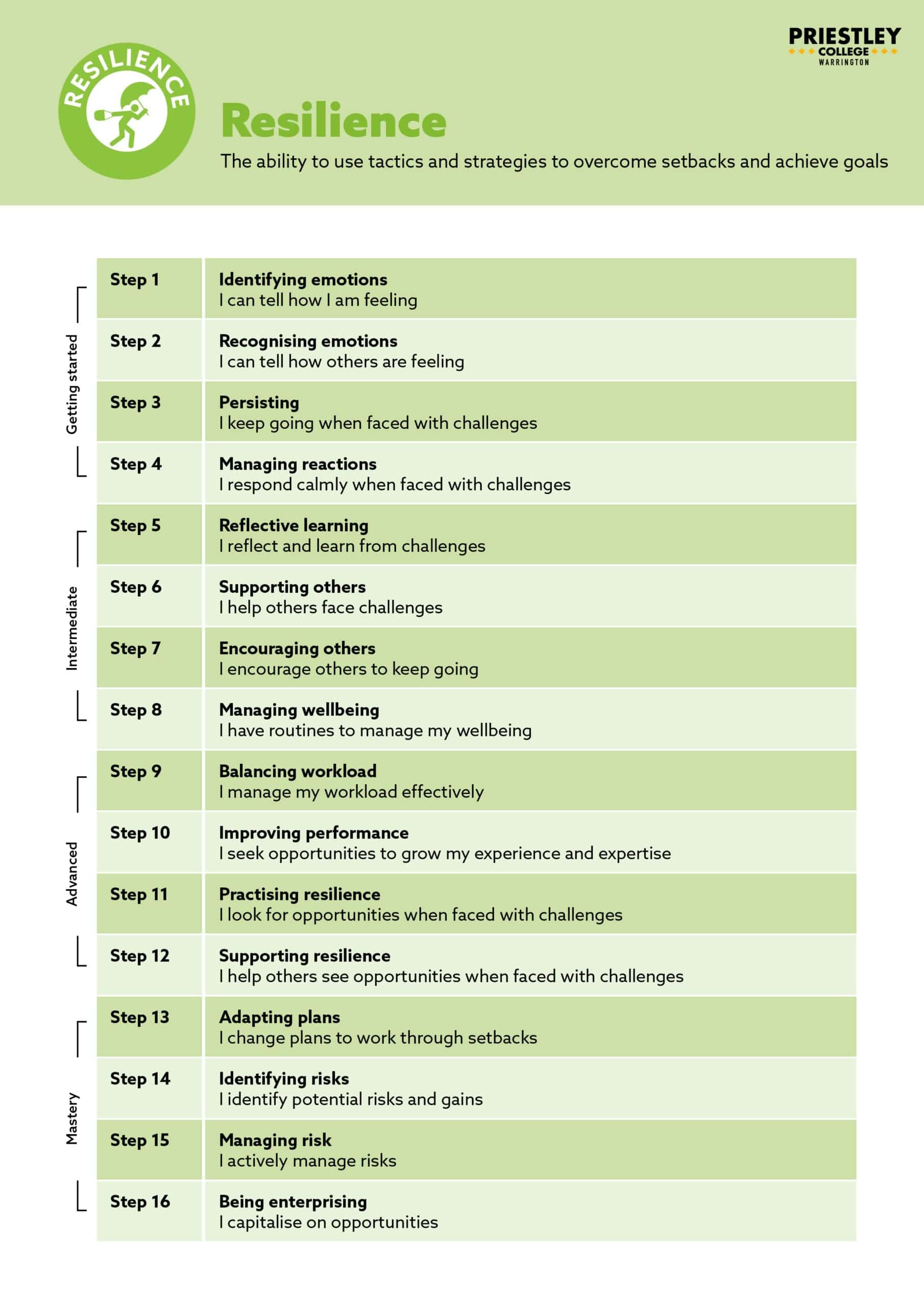
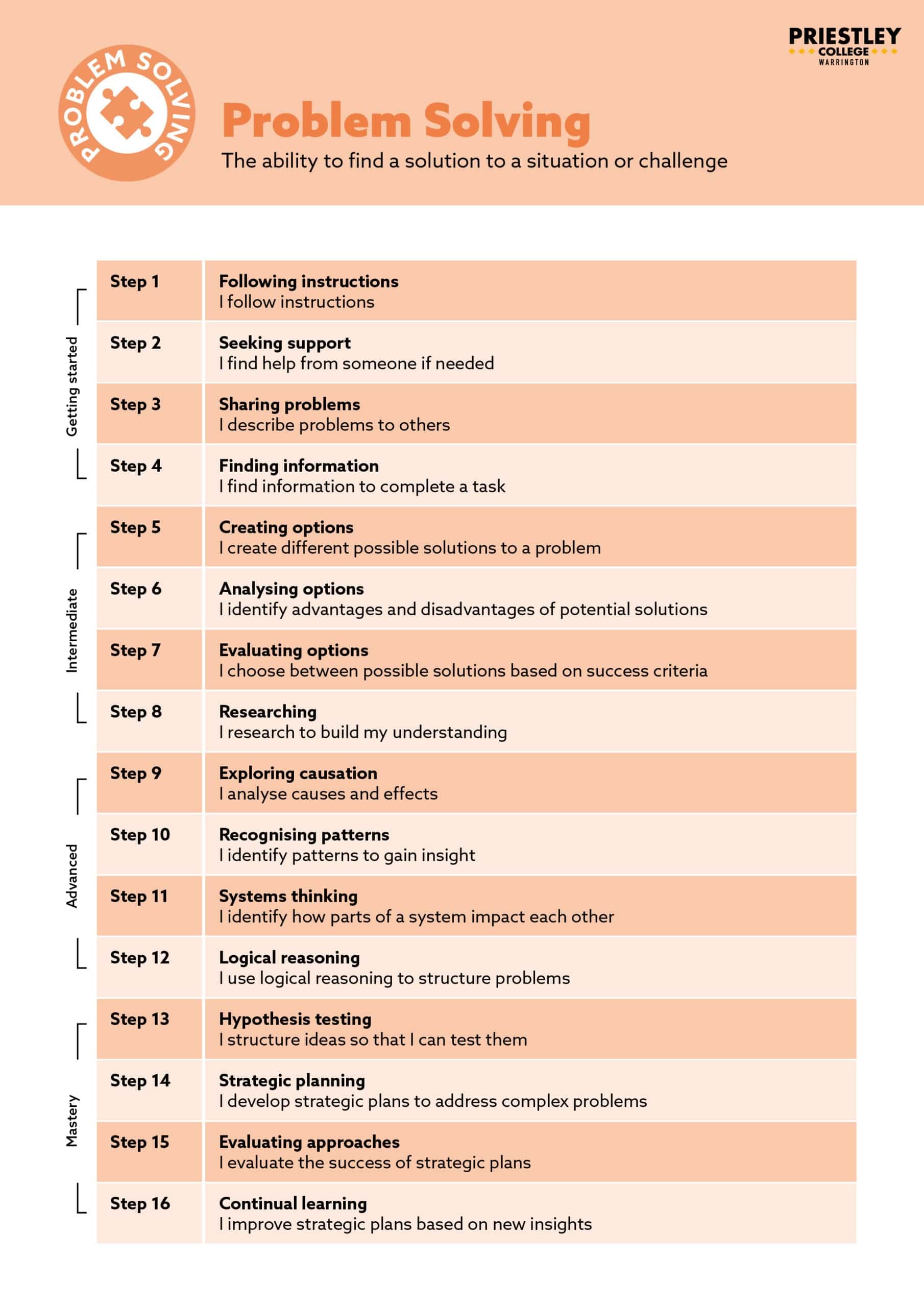
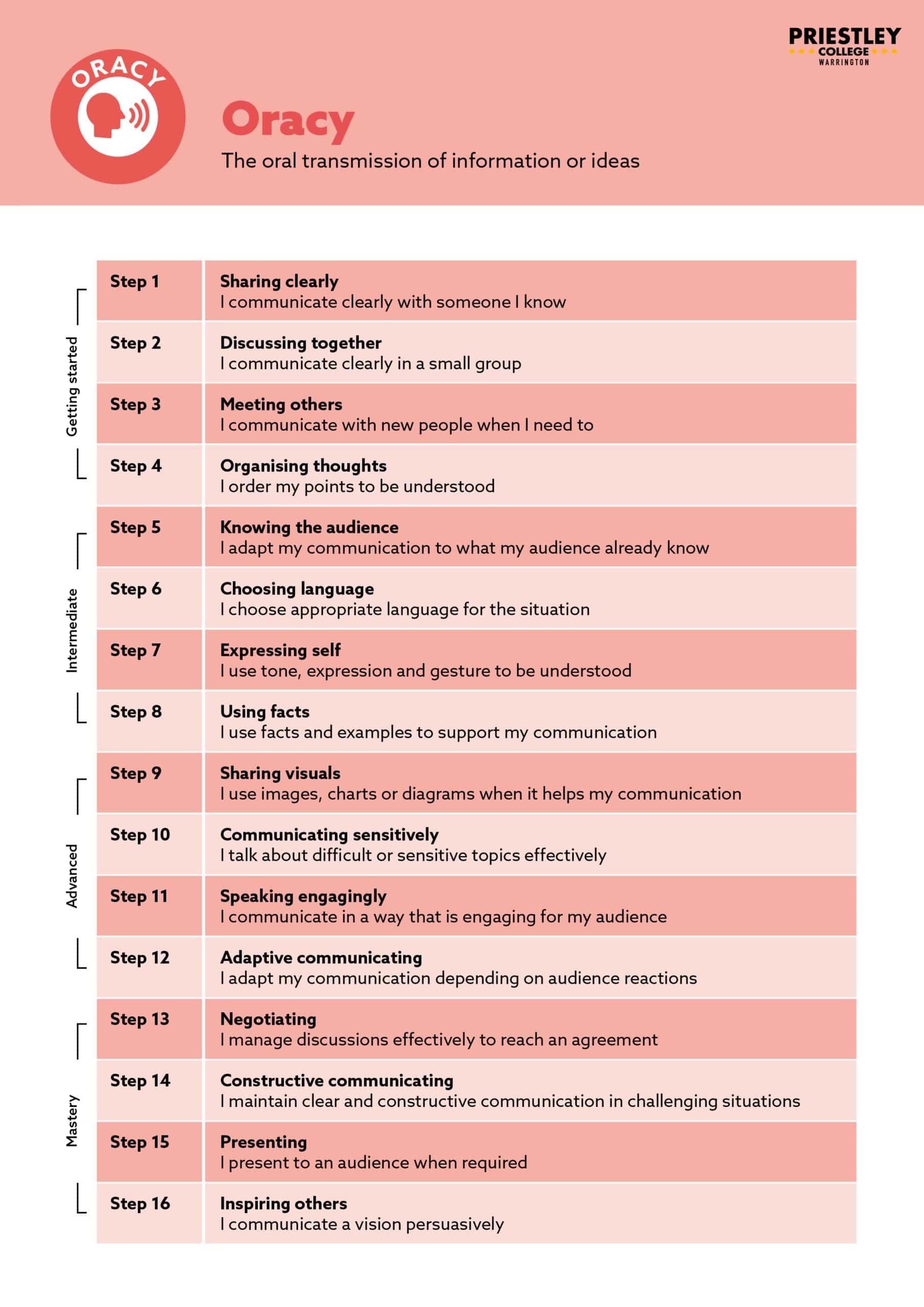
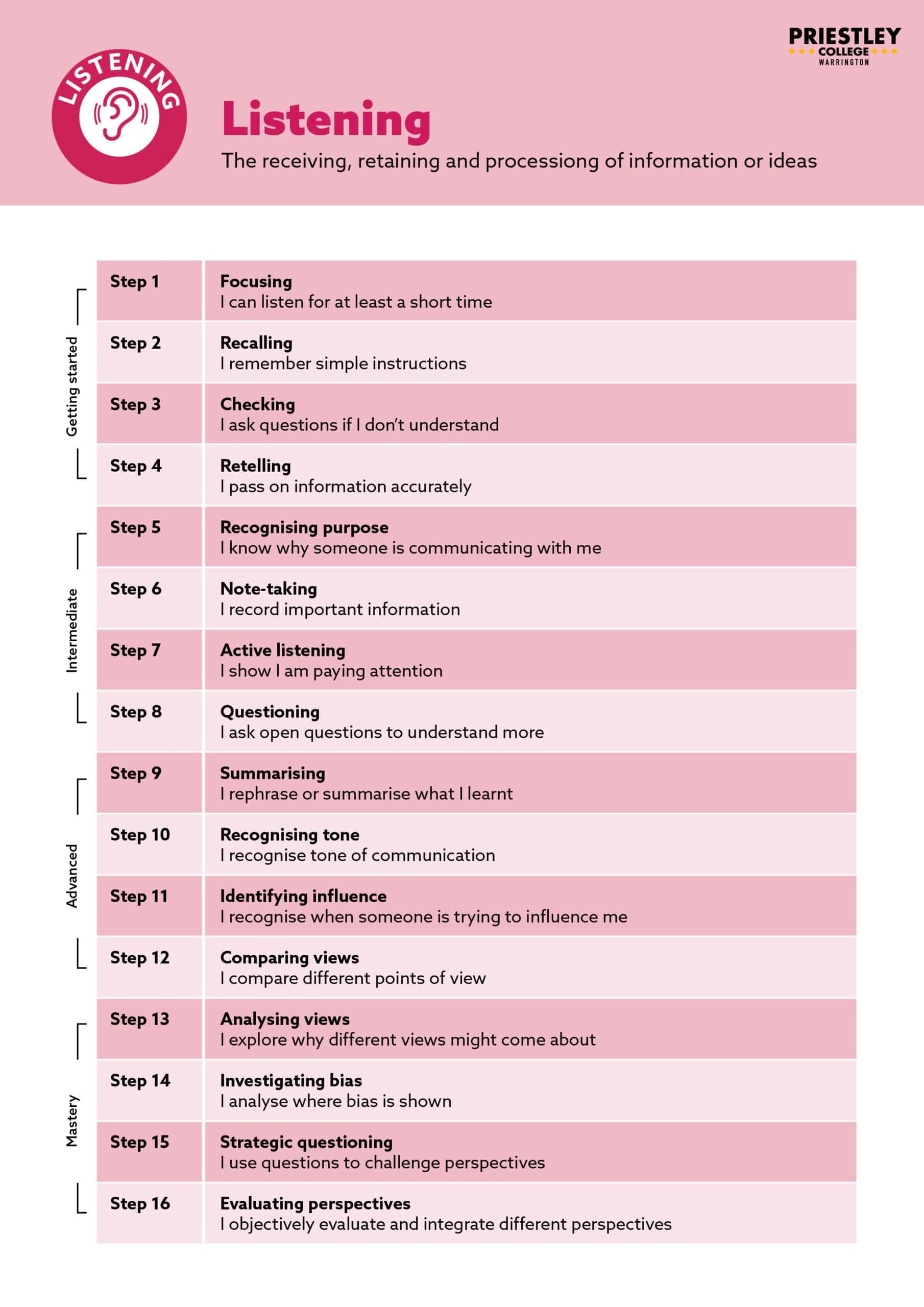
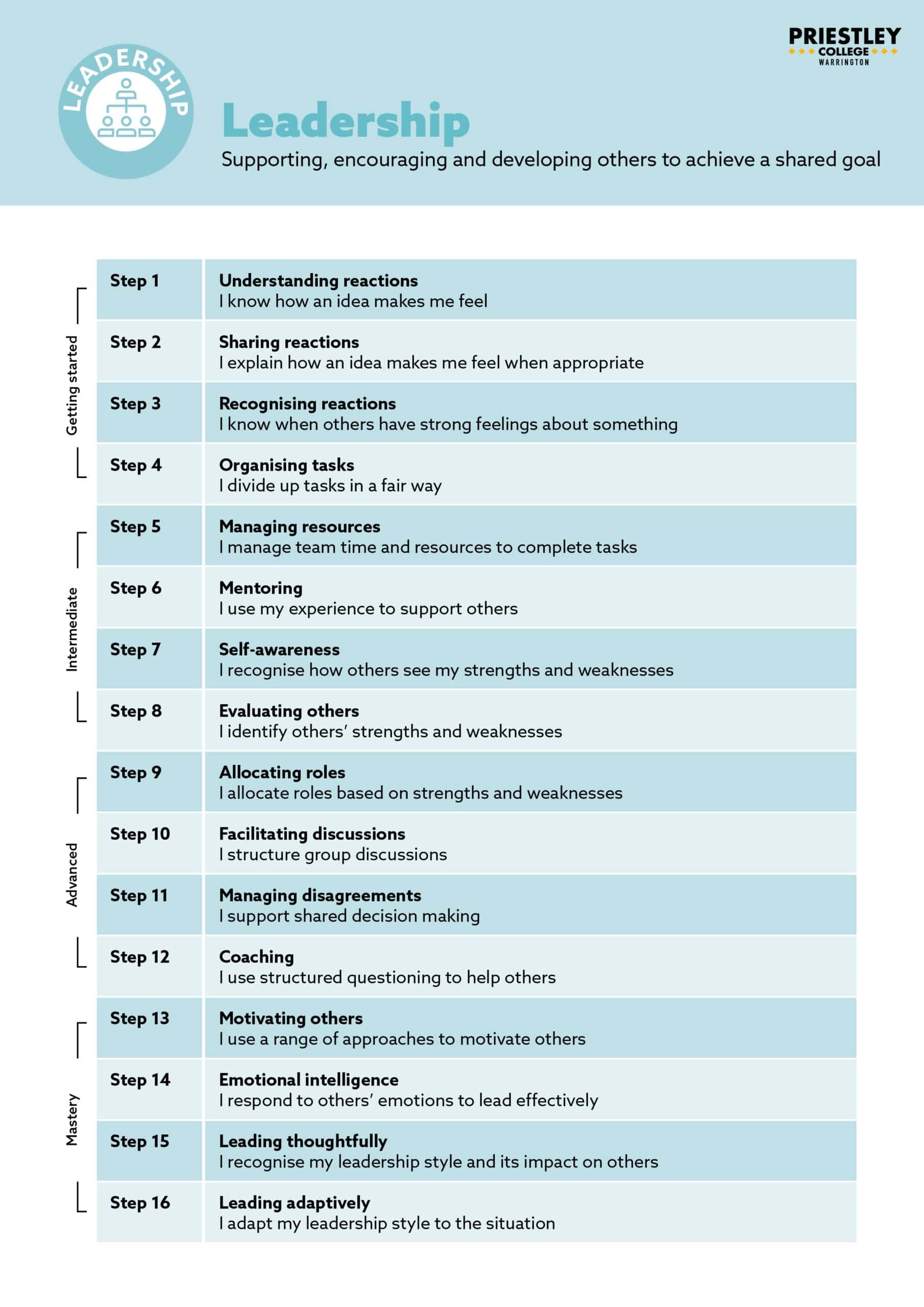
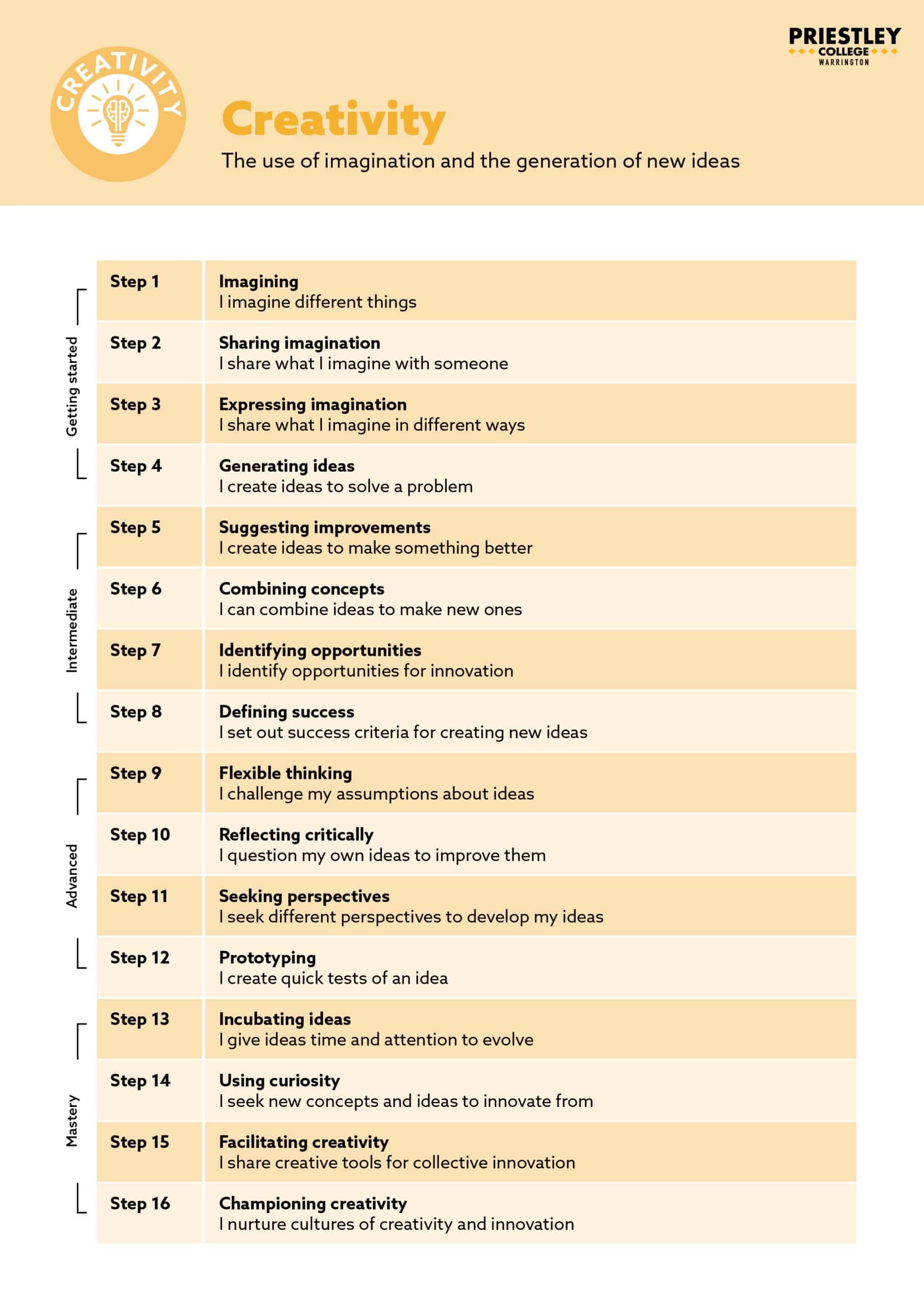
Key Skills:
Reasons to study Biology
Studying A-Level Biology gives you a deeper understanding of how living organisms function, from cells and genetics to ecosystems and evolution.
It encourages curiosity about the natural world while developing critical thinking, problem-solving, and practical scientific skills.
You will also explore important issues such as human health, biodiversity, and the impact we have on the environment, helping you become a more informed and responsible global citizen.
A-Level Biology provides a strong foundation for a wide range of university courses and careers in science, healthcare, and environmental fields.
What you will study
Year 1 (AS) – 4 key topics areas including biological molecules, cells, organisms exchange substances with their environment, variation and relationships between organisms.
Year 2 (A-Level) – an additional 4 topic areas including energy transfers in and between organisms, how organisms respond to changes in their internal and external environments, genetics, populations, evolution and ecosystems and the control of gene expression.
What you will need
You will need to meet the minimum entry requirements for your chosen pathway.
Minimum Grade 6 in GCSE Science (separates or trilogy 66), and grade 6 minimum in Maths and English Language.
See entry requirements
See entry requirements
How you will be assessed
Year 1 (AS) – two 1.5-hour exams covering content recall, application to unknown scenarios, data analysis, evaluation, mathematical problems (approx. 10%) and required practical content.
Year 2 (A-Level) – three two-hour exams, following a similar structure to the first year, paper 1 will be AS content, paper 2 will be A2 content and paper 3 is synoptic and includes a 25-mark essay.
Practical skills will be assessed throughout the course and in the written exams.
Priestley extra
Studying A-Level Biology offers far more than lessons in the classroom. You can challenge yourself by taking part in the Royal Society of Biology Olympiad, gain first-hand experience of university life through subject sessions at Liverpool John Moores University and Lancaster University, and broaden your understanding of global conservation through partially funded residential expeditions. These unique trips to destinations such as Ecuador, Zimbabwe, Eswatini and Uganda provide the opportunity to work on real environmental and conservation projects while experiencing different cultures and ecosystems.
Reading List
‘The Greatest Show on Earth’ and ‘The Selfish Gene’, by Richard Dawkins.
‘Bad Science’ by Ben Goldacre.
‘Gene’ by Siddhartha Mukherjee
‘Genome’ by Matt Ridley.
‘Nine Pints A Journey Through the Mysterious World of Blood’ by Rose George.
‘A Short History of Nearly Everything’ and ‘The Body’, both by Bill Bryson.
‘Gulp’ by Mary Roach.
Progression
A-Level Biology opens the door to a wide range of progression opportunities. It is a highly respected qualification for university courses such as Biology, Biomedical Science, Medicine, Dentistry, Veterinary Science, Nursing, Pharmacy, Physiotherapy, Psychology, Environmental Science, and Marine Biology. It also supports apprenticeships and careers in healthcare, research, biotechnology, conservation, forensic science, agriculture, and the pharmaceutical industry. The analytical, practical, and problem-solving skills developed throughout the course are valued by both universities and employers, making A-Level Biology an excellent choice for students considering a variety of science and health-related careers.
Click here to apply 👈
How to Apply

Demand for places at Priestley College has been exceptionally high in recent years. We recommend you apply for your place early to avoid disappointment.
Study Programme

A-Level and Vocational (Level 3) students are expected to follow a full study programme of three plus one AS-Level courses/equivalents. Your study programme can, however, include a Specialism as one of your choices.