

History
Home »

Blocks
1

Level
A-Level

Course Length
2 Years

Timetable
Full Time
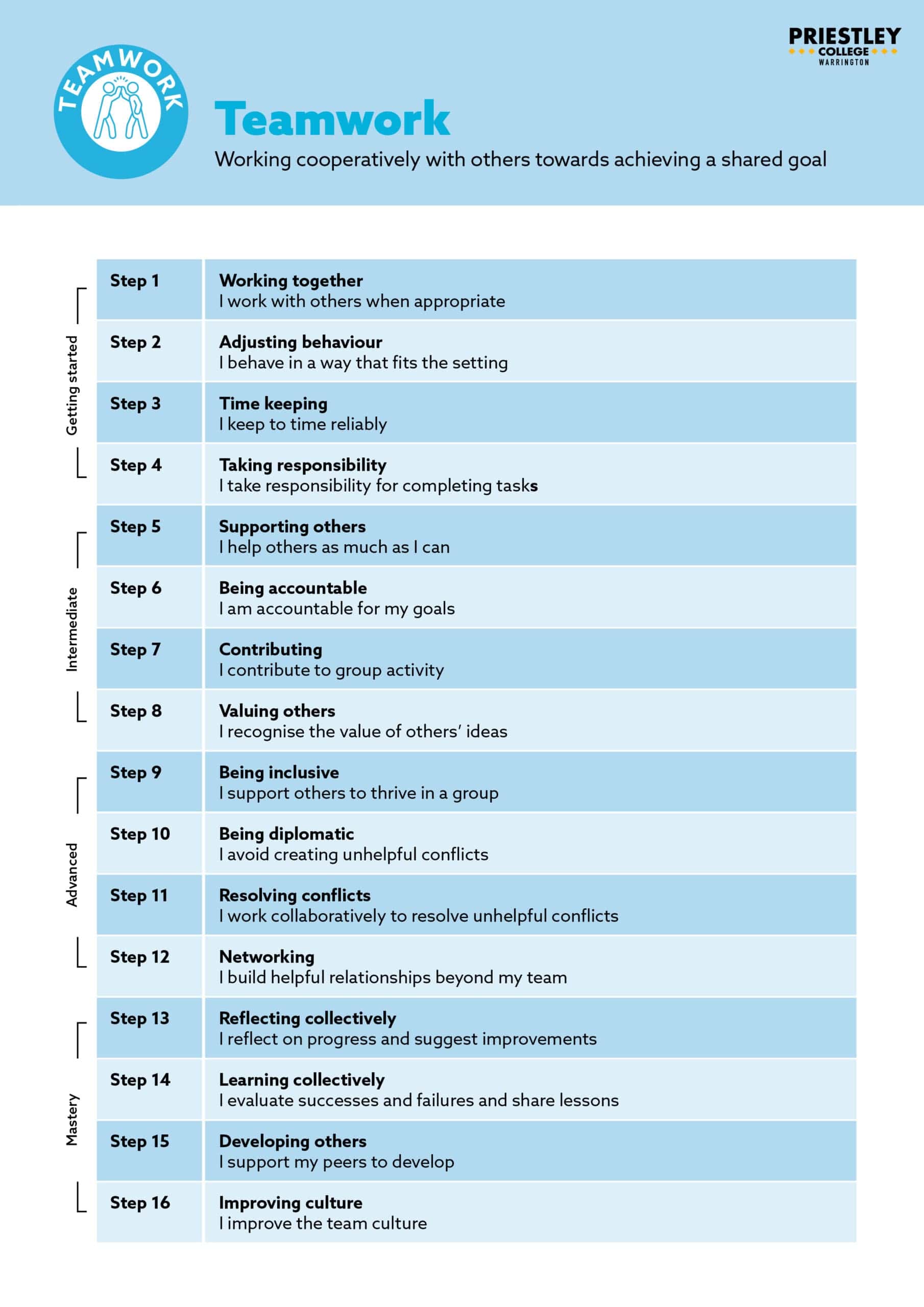
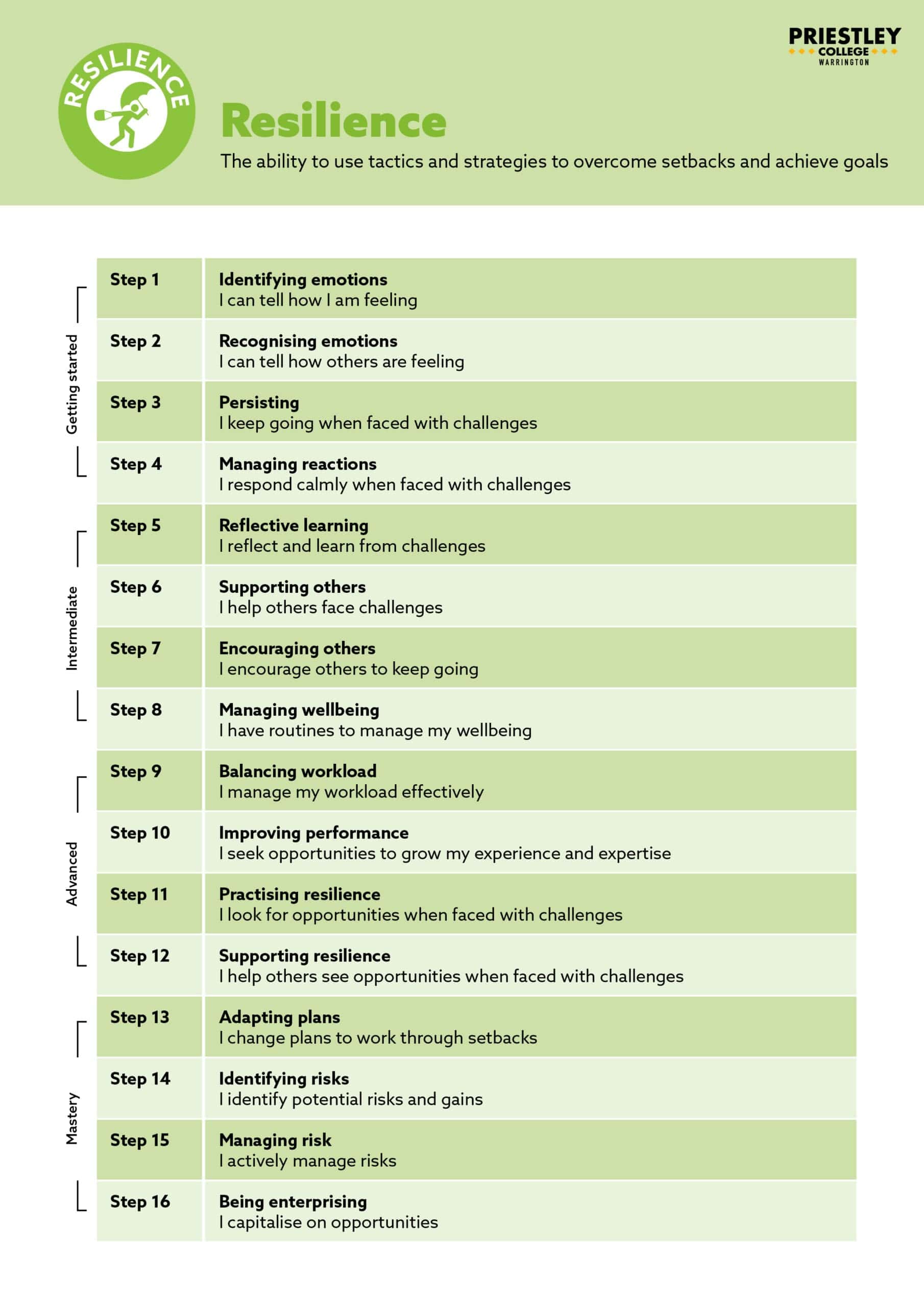
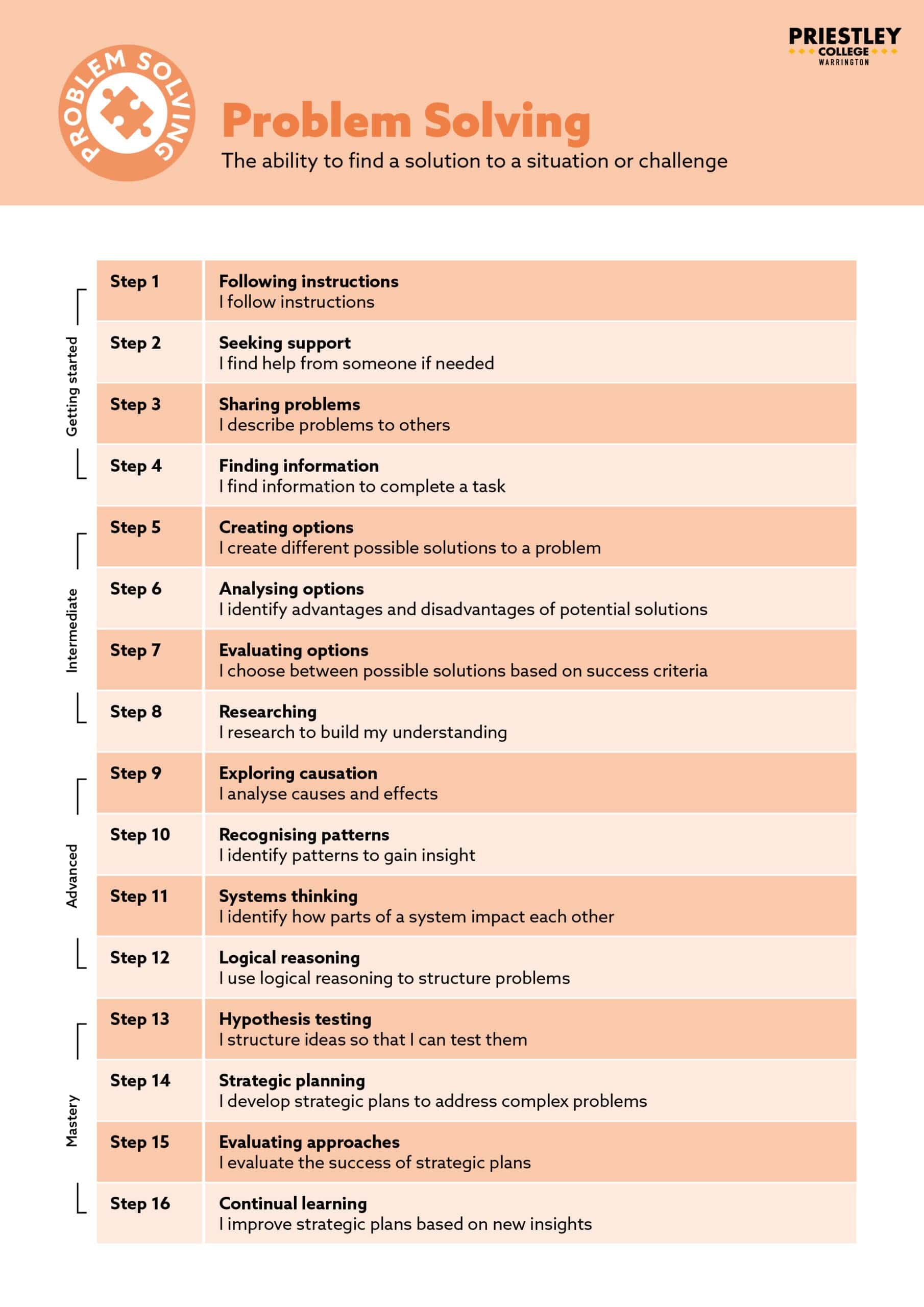
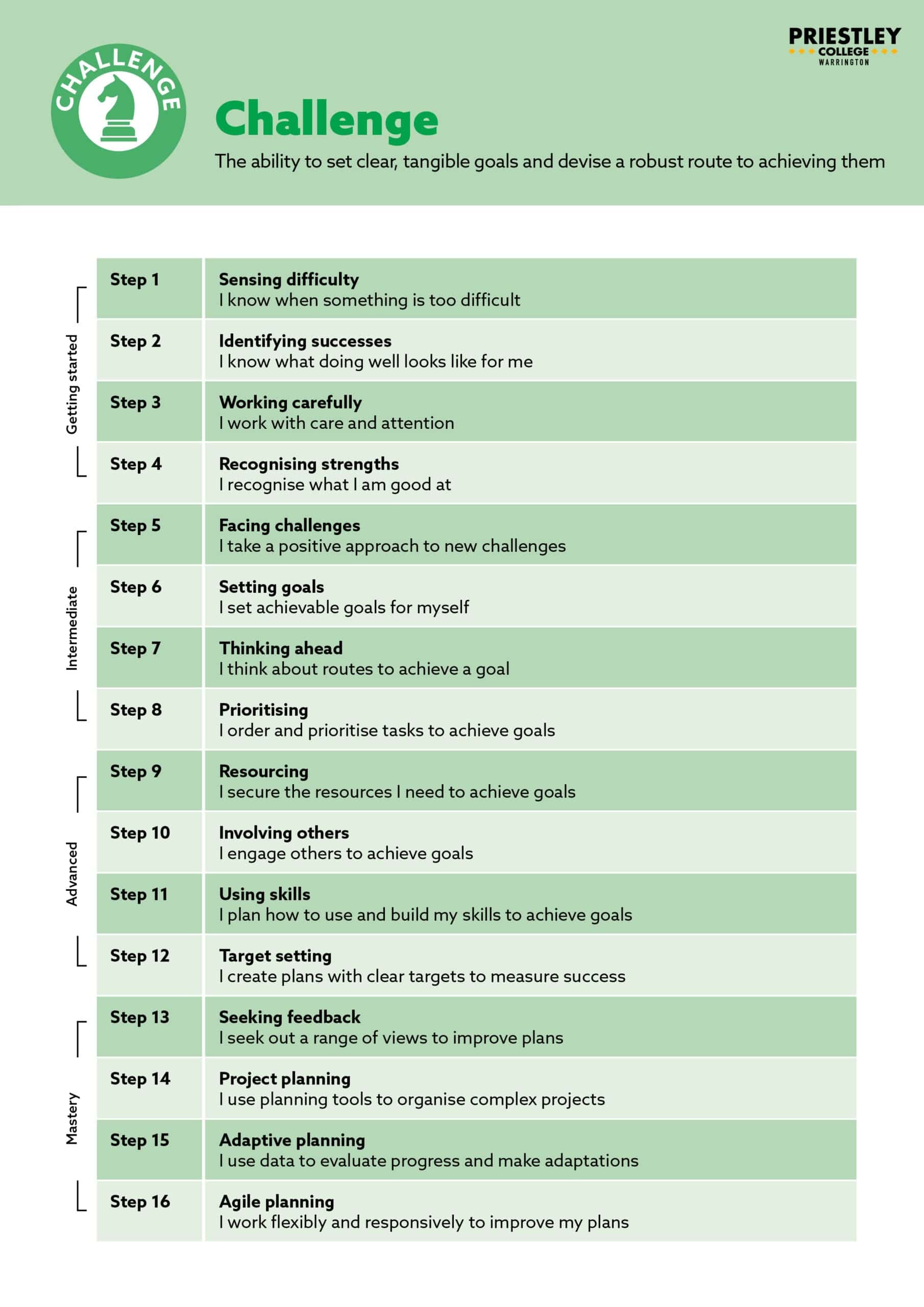
Key Skills:
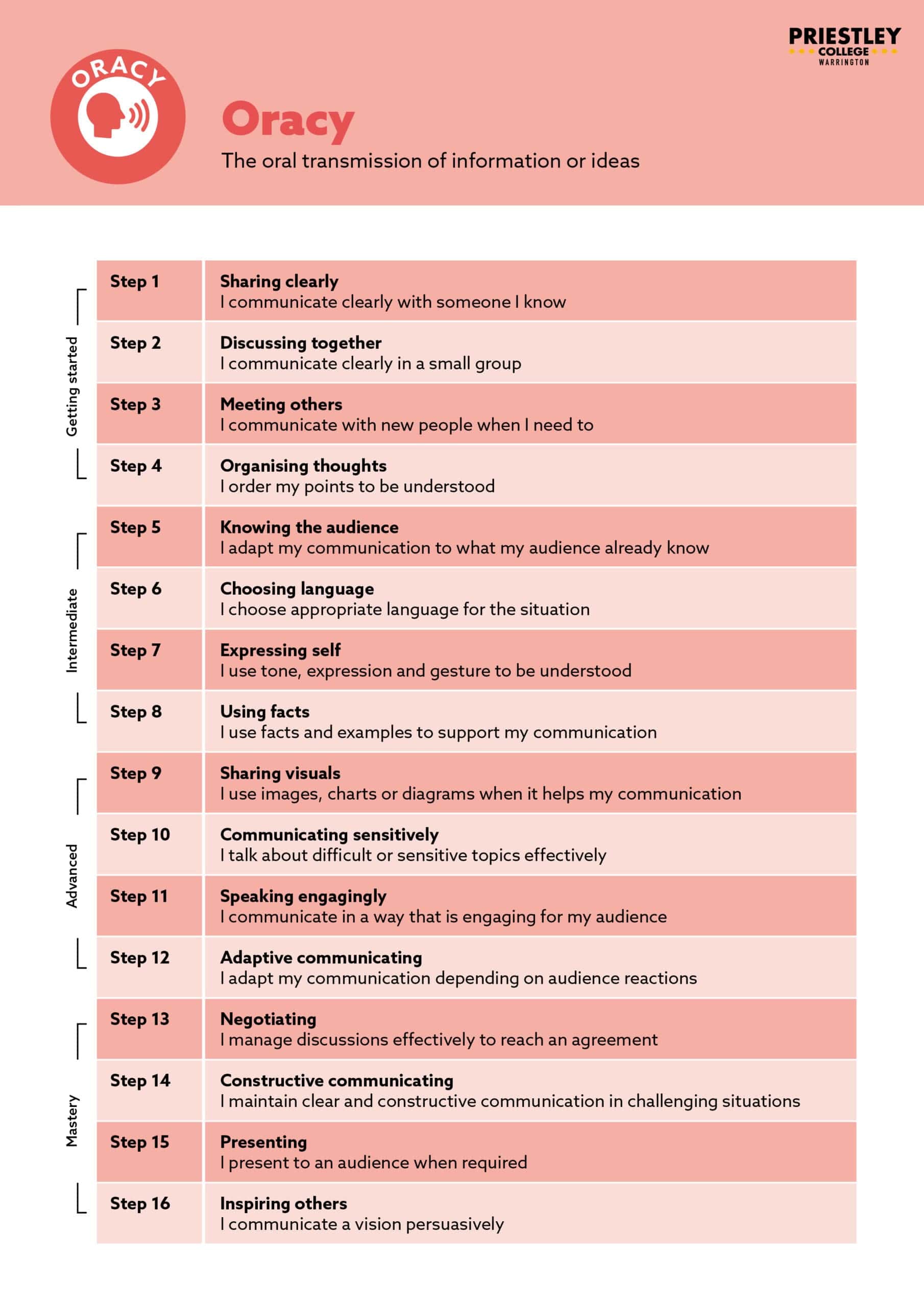
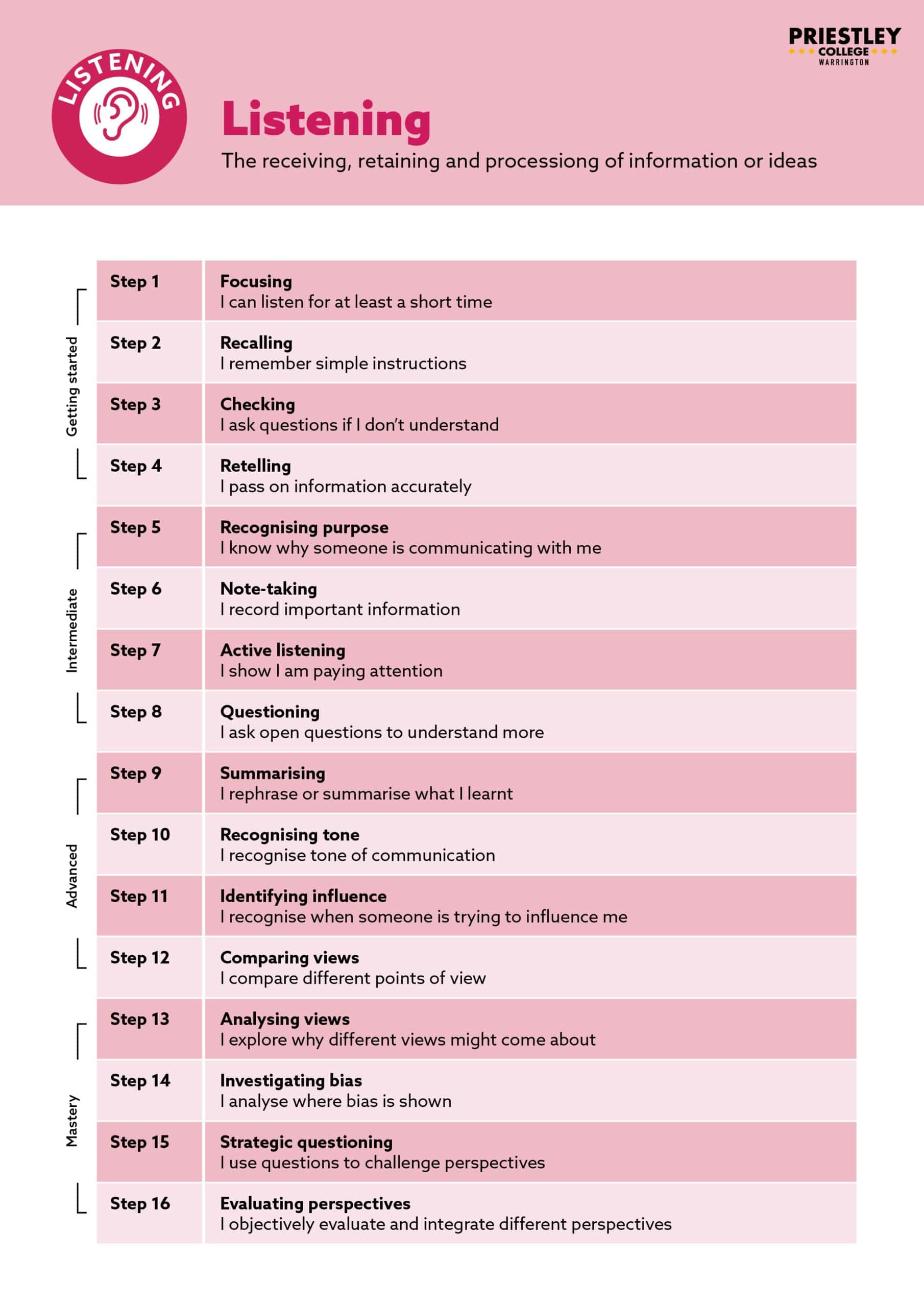
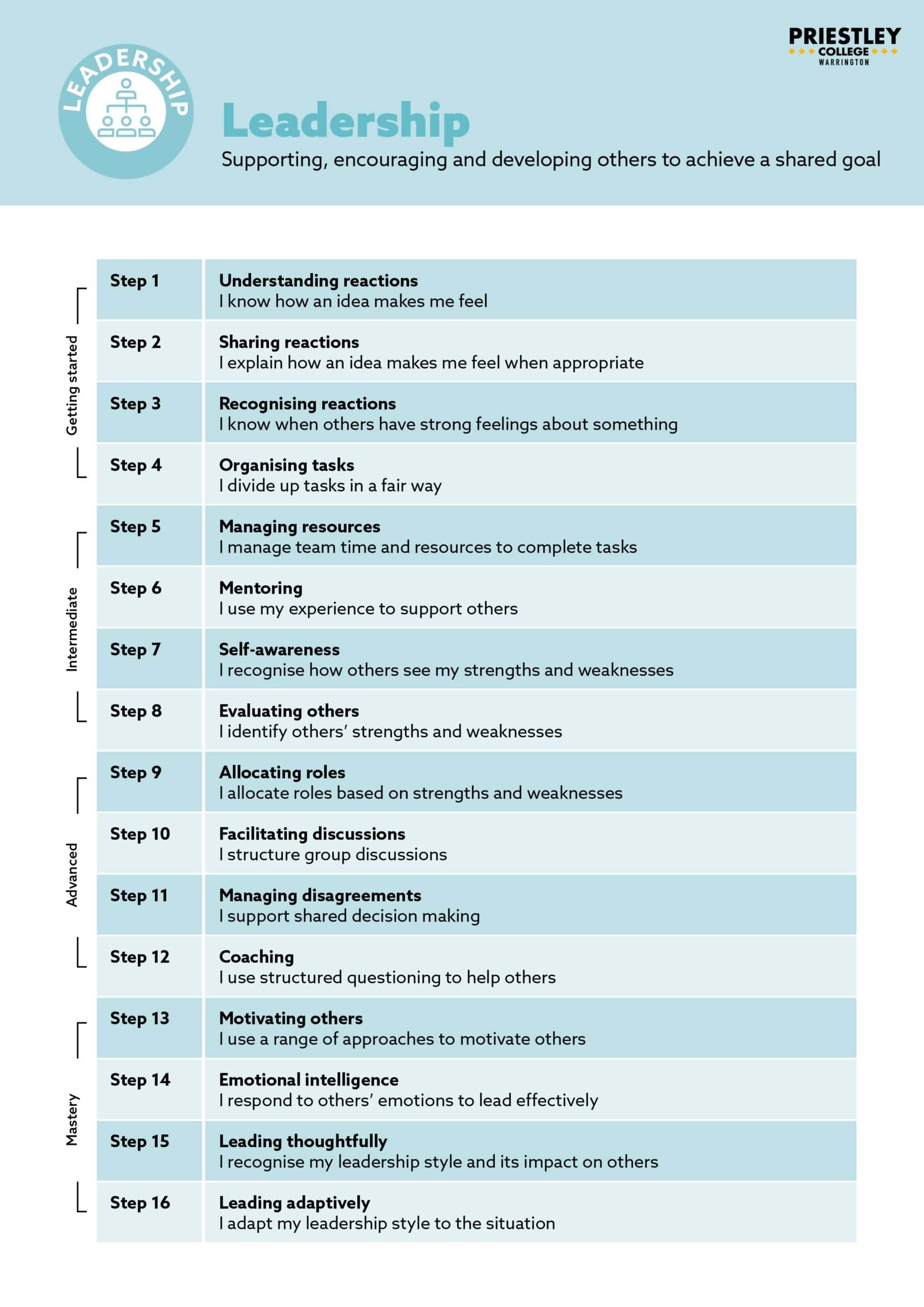
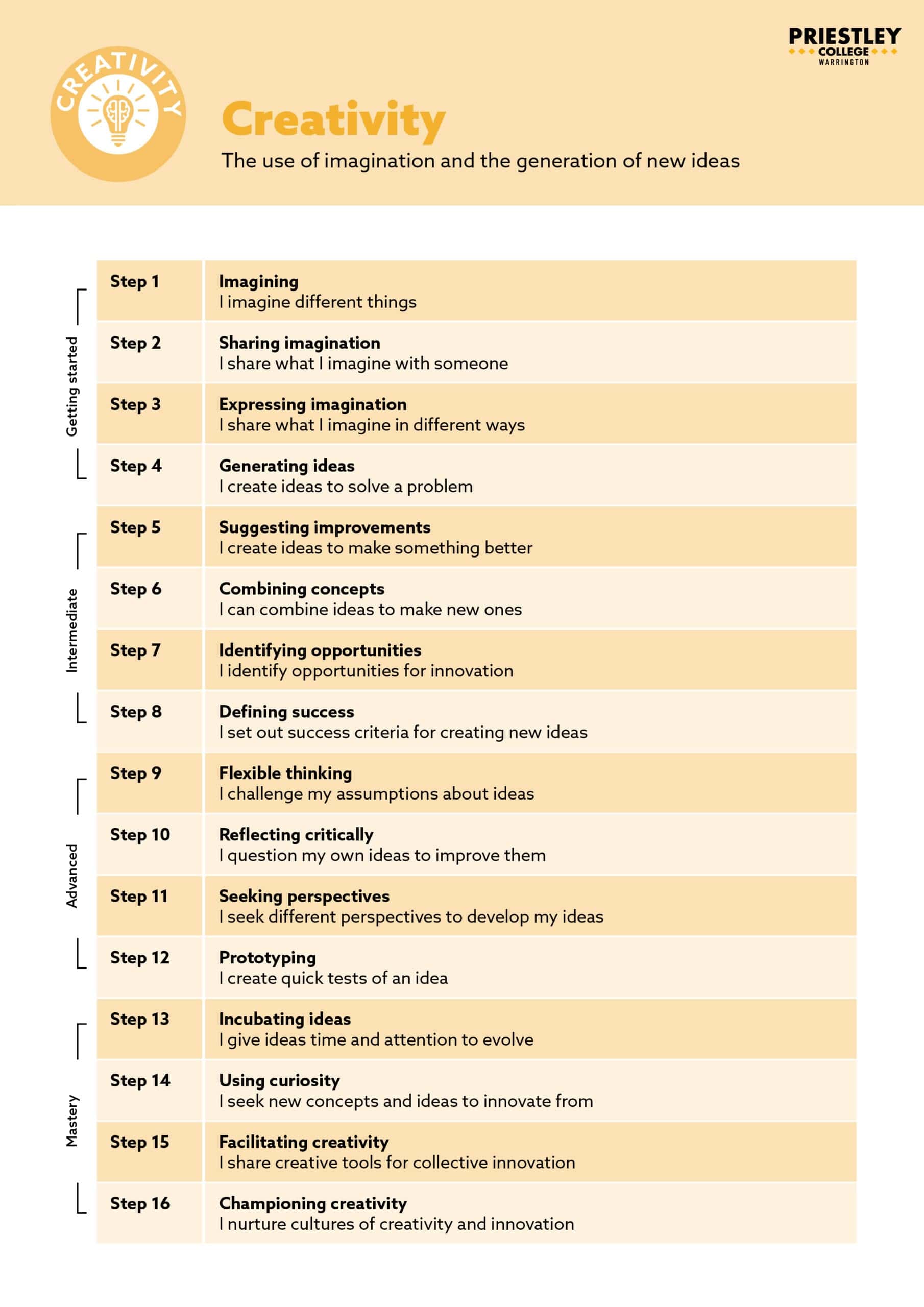
Reasons to study History
You’ll learn about and investigate fascinating people, different societies, significant events, and diverse cultures in the past.
History is well-respected by universities and employers because you’ll develop high level literacy skills, the ability to work independently, and the confidence to judge and evaluate evidence.
This can lead to a wide range of careers including law, journalism, teaching, politics, archaeology, and in the heritage sector.
What you will study
Choose between:
Option 1: Modern History: In search of the American Dream: the USA, 1917–96 - political, social, and cultural history of the USA.
South Africa, 1948–94: from apartheid state to ‘rainbow nation’.
The British experience of warfare, c1790–1918 - case studies of wars from Napoleon to World War One.
Option 2: Early Modern History. Britain, 1625–1701: conflict, revolution and settlement - assessing political, religious, economic and social upheaval from Charles I to William and Mary.
France in revolution, 1774–99.
The European witch-craze c1580-c1750 - case studies of witch trials including Pendle and Salem.
What you will need
You will need to meet the minimum entry requirements for your chosen pathway.
Interest, curiosity and a genuine desire to study the past.
Willingness to work independently.
As an academic, essay-based A-Level a minimum grade 4 (preferably 5) in English is required alongside strong grades in other written GCSEs
See entry requirements
See entry requirements
How you will be assessed
Year 1 (AS) – two exams.
Year 2 (A-Level) – three exams and a 4,000-word coursework essay
Priestley extra
Visits to France and Belgium or Washington D.C. and New York. Day trips to the Imperial War Museum and Pendle Hill. Join the college History Society and help produce our termly magazine. A range of history masterclasses across the year. Weekly Debating Society meetings.
Reading List
Modern option: Jane Shuter, Rosemary Rees et al, Searching for rights and freedoms in the 20th century.
Early modern option: Oliver Bullock, Alan White, Daniel Nuttall, Revolutions in early modern and modern Europe.
Progression
Degrees in History, Law, Ancient History and Archaeology, teaching, Politics, American Studies, Philosophy. History prepares you for a diverse range of careers including banks, law firms, local and national government.
Click below to apply
How to Apply

Demand for places at Priestley College has been exceptionally high in recent years. We recommend you apply for your place early to avoid disappointment.
Study Programme

A-Level and Vocational (Level 3) students are expected to follow a full study programme of three plus one AS-Level courses/equivalents. Your study programme can, however, include a Specialism as one of your choices.